

Road Surveillance Systems
Road surveillance systems are an essential part of modern transportation infrastructure. They are used to monitor traffic flow, improve road safety, support law enforcement, and help manage emergencies more effectively. As urban areas continue to grow and road networks become more complex, the need for reliable surveillance on highways, city streets, tunnels, bridges, and intersections has become increasingly important.A road surveillance system typically consists of cameras, sensors, communication equipment, data storage devices, and software for analysis and control. These components work together to collect real-time information about vehicle movement, road conditions, and unusual events. High-definition cameras are often installed at strategic points to capture clear images of traffic activity day and night. Some systems also include infrared technology or low-light imaging so that monitoring remains effective in poor visibility, during rain, fog, or at night.One of the main benefits of road surveillance systems is traffic management. By observing traffic patterns in real time, operators can identify congestion, accidents, lane blockages, or road construction delays. This information can then be used to adjust traffic signals, send alerts to drivers, or redirect vehicles to alternative routes. As a result, travel time can be reduced and road efficiency can be improved.Another important function is safety and incident response. When a traffic accident or hazardous event occurs, surveillance systems help authorities detect the problem quickly and respond without delay. Live video feeds allow emergency teams to assess the situation before arriving at the scene, which can save valuable time and reduce further risk. These systems also support investigations by providing recorded evidence of incidents, traffic violations, or suspicious activity.Road surveillance systems are also useful for law enforcement and urban planning. They can assist in identifying speeding, illegal parking, red-light running, and other violations. At the same time, the data collected from these systems can be analyzed to understand long-term traffic trends, peak travel periods, and infrastructure needs. Planners can use this information to improve road design, expand capacity, or enhance public transportation routes.With advances in technology, many road surveillance systems now include artificial intelligence and machine learning features. These tools can automatically detect unusual behavior, recognize vehicle types, count traffic volume, and generate alerts in real time. This automation makes monitoring more efficient and reduces the need for constant manual observation.In conclusion, road surveillance systems play a vital role in creating safer, smarter, and more efficient transportation networks. They help cities and road authorities manage traffic, respond to emergencies, enforce regulations, and plan future improvements. As technology continues to develop, these systems will become even more intelligent and valuable in supporting modern mobility.
Product
Classificatie:
-
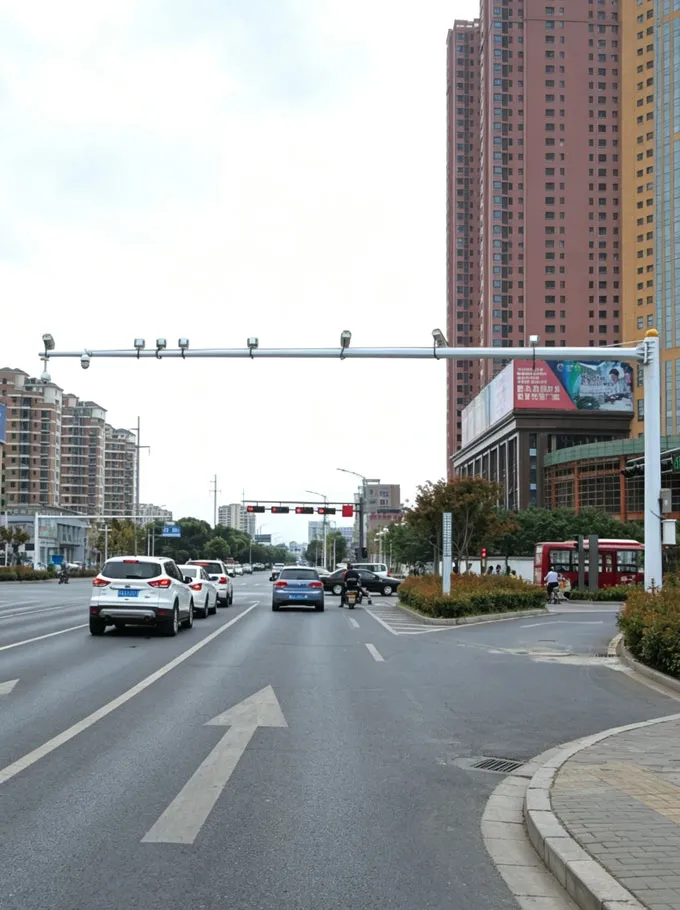
Traffic Monitoring Camera Pole Series
Hun classificatie: Traffic Signal PolesBekeken: 42Nummer:Release tijd: 2026-08-19 16:32:40The Traffic Monitoring Camera Pole Series provides customized steel support structures for CCTV cameras, traffic monitoring devices, vehicle detection equipment and road surveillance systems. Available in cantilever, gantry, roadside and integrated lighting configurations, the poles can support one or multiple devices. Pole height, arm span, mounting positions, cable routing and foundation design are customized according to the monitoring layout and site conditions.
Nieuws
Classificatie:
Geen zoekresultaten!
Geval
Classificatie:
Geen zoekresultaten!
Video
Classificatie:
Geen zoekresultaten!
Download
Classificatie:
Geen zoekresultaten!
Werving
Classificatie:
Geen zoekresultaten!
Aanbevolen producten
Geen zoekresultaten!


